Construction contractors shopping for pressure washers in 2026 aren't choosing between brands — they're choosing between five fundamentally different categories, and picking wrong means dried concrete that won't budge, a compliance headache, or a machine that dies in month four. This guide ranks pressure washer types by the job each one actually solves on an active jobsite.
- Hot water pressure washers win for stripping diesel soot and grease off heavy equipment year-round.
- Trailer-mounted units are the best pressure washers for construction contractors running remote or multi-site work.
- Cold water gas units are the budget pick for general jobsite cleanup, not heavy degreasing.
- Custom-built systems tied into a wash bay are the only option that solves runoff containment long-term.
Why this matters
A construction fleet accumulates cured concrete overspray, asphalt tar, diesel exhaust film, and mud packed into undercarriages — none of which comes off with a garden-hose attachment. The wrong pressure washer either can't cut through it or blasts contaminated water straight into a storm drain, which is its own problem.
Evans Equipment & Environmental builds and services industrial wash rack systems, wash water treatment equipment, and pressure washers for construction and industrial operators, so the ranking below reflects what actually holds up on a jobsite versus what looks good in a spec sheet.
Best overall for heavy equipment: hot water pressure washers. Best for remote job sites: trailer-mounted pressure washer systems. Best budget option: cold water gas-powered units. Everything below explains why, and where each category falls apart.
What makes the best pressure washer for construction contractors
- PSI and GPM output — pressure alone doesn't clean; gallons per minute at that pressure is what strips cured material
- Heat capability — hot water cuts grease and diesel film in a fraction of the time cold water needs
- Mobility — skid-mounted, trailer-mounted, or stationary changes what job sites it can actually reach
- Fuel source — gas, diesel, or electric affects runtime, noise, and whether it's usable indoors
- Wash water handling — where the runoff goes matters as much as how clean the equipment gets
- Duty cycle — daily fleet washing wears out consumer-grade units inside a season
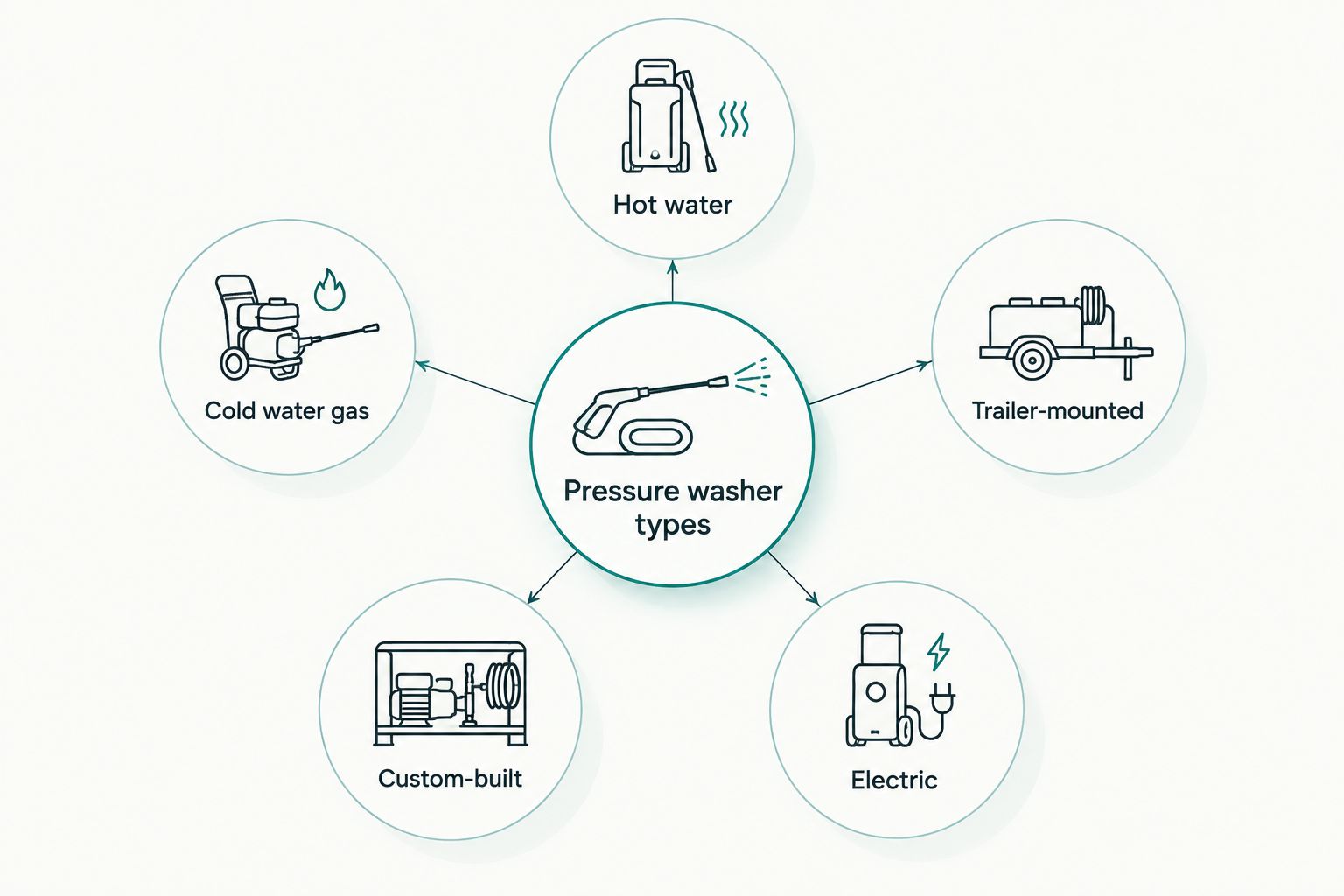
Pressure washers for construction contractors at a glance
| Category | Best for | Standout feature | Key limitation |
|---|---|---|---|
| Hot water pressure washer | Heavy equipment degreasing | Cuts diesel film and grease fast | Higher fuel/maintenance load |
| Cold water gas pressure washer | General site cleanup | Simple, low maintenance | Struggles on baked-on grease |
| Trailer-mounted system | Remote or multi-site work | Self-contained water and power | Needs a tow vehicle and storage space |
| Custom-built industrial system | Permanent wash bay integration | Ties directly into water treatment | Requires site planning and install |
| Electric pressure washer | Enclosed or noise-restricted sites | No exhaust, low noise | Lower duty cycle, tethered to power |
1. Hot water pressure washer: best for heavy equipment degreasing
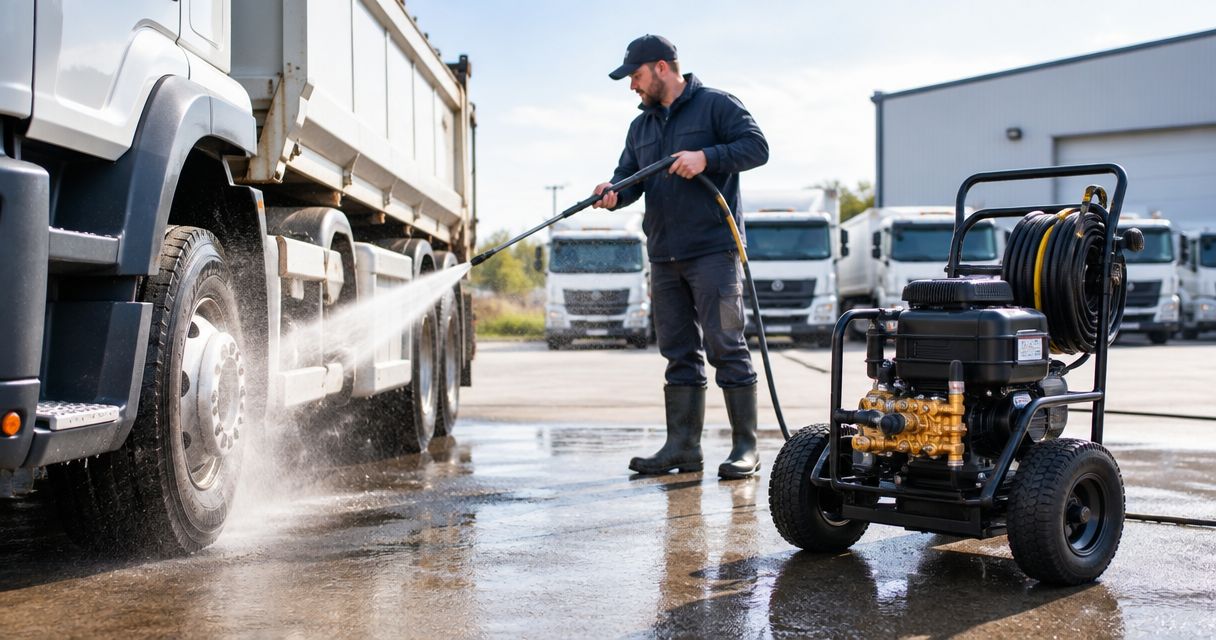
Hot water units heat discharge water to roughly 180-250°F, which breaks down diesel soot, asphalt residue, and grease in a fraction of the passes a cold water machine needs. For contractors running excavators, dozers, and haul trucks through mud and fuel daily, this is the category that actually finishes the job instead of just rinsing the surface.
Hot water pressure washer pros:
- Cuts grease and diesel film significantly faster than cold water
- Performs in cold weather without freezing lines as easily
- Reduces chemical use since heat does more of the work
Hot water pressure washer cons:
- More moving parts (burner, heat exchanger) means more maintenance
- Higher fuel draw than a cold water unit of the same PSI
Best for: fleets washing heavy equipment covered in grease, tar, or diesel residue year-round.
Verdict: Buy if your equipment sees daily grease and diesel exposure — this is the category most contractors underestimate needing until they own one.
2. Cold water gas-powered pressure washer: best budget general-purpose option
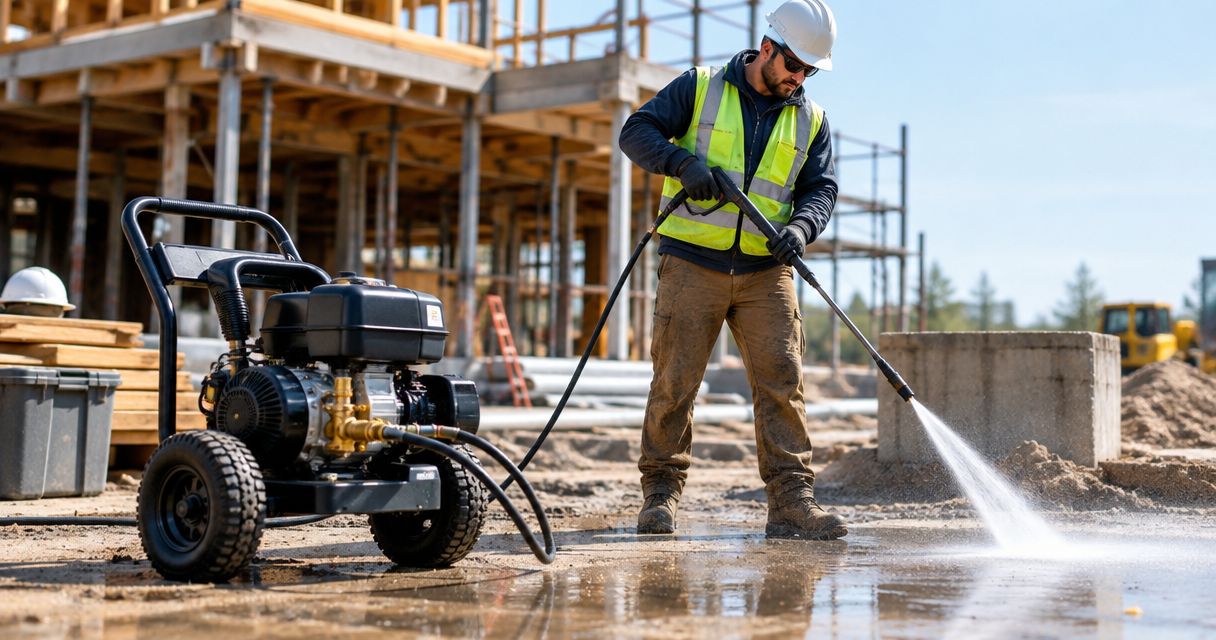
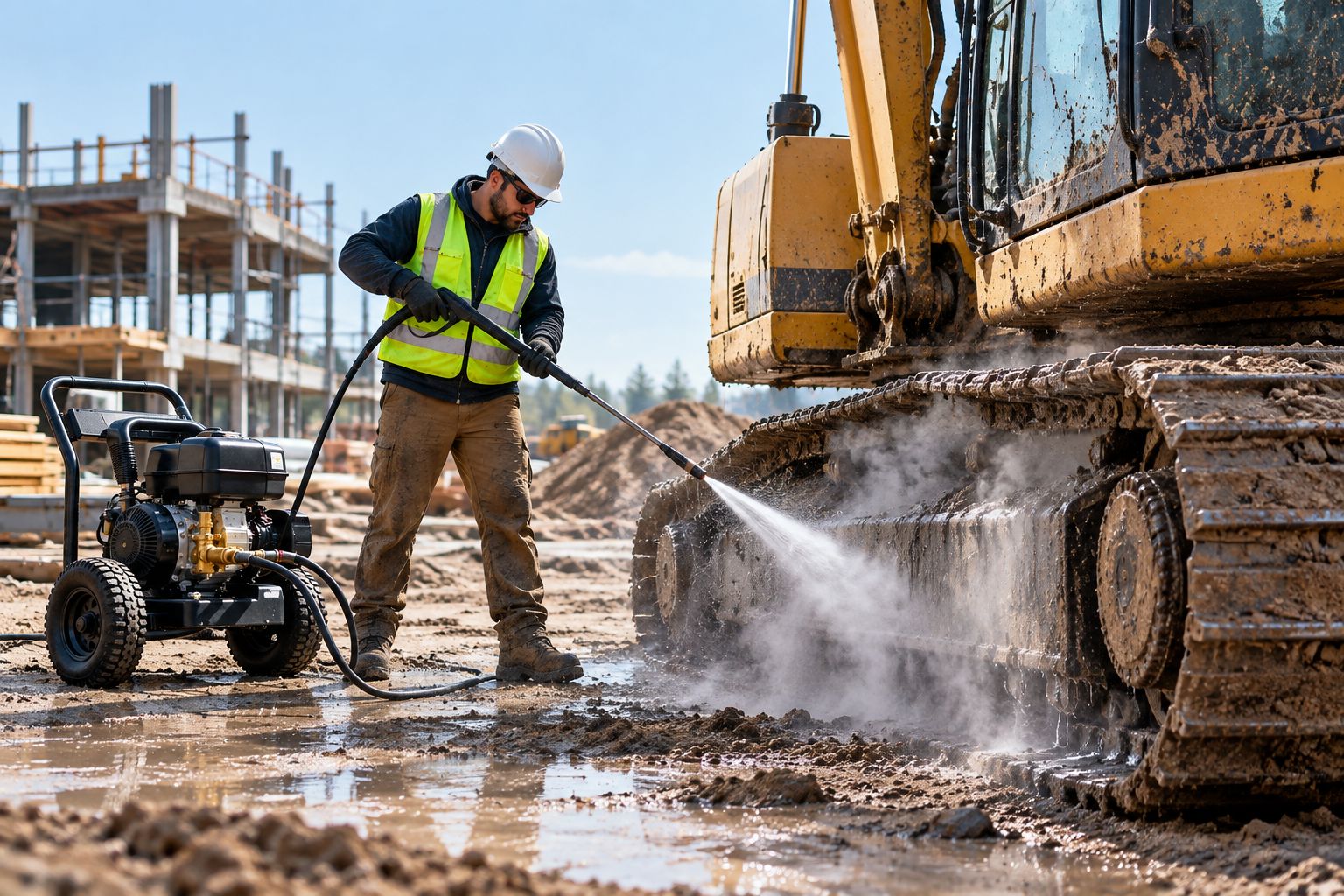
Cold water gas units running 3,000-4,000 PSI handle mud, dust, and light dirt without the added complexity of a burner system. They're the entry point most contractors start with before realizing certain equipment needs more.
Cold water gas pressure washer pros:
- Lower upfront complexity and fewer parts to service
- Portable and simple to operate on any crew
- Widely available parts and service network
Cold water gas pressure washer cons:
- Struggles with cured grease, tar, and baked-on diesel film
- Longer wash times mean more water used per job
Best for: general jobsite cleanup — trucks, trailers, and equipment without heavy grease buildup.
Verdict: Buy for general cleanup duty, but Skip if degreasing heavy equipment is the primary job.
3. Trailer-mounted and portable pressure washer systems: best for remote job sites
Contractors working pipeline, utility, or scattered rural sites can't rely on a fixed wash bay. A trailer-mounted or skid-mounted pressure washer system carries its own water tank, pump, and often its own power source, so it can wash equipment wherever the job is — no permanent plumbing required.
Trailer-mounted pressure washer pros:
- Self-contained water supply for sites without hookups
- Moves between job sites with the crew
- Can pair with a portable wash pad for remote job sites for full runoff containment
Trailer-mounted pressure washer cons:
- Tank capacity limits how many units you can wash before refilling
- Requires a tow vehicle and dedicated storage between jobs
Best for: contractors rotating between remote or temporary sites without fixed wash infrastructure.
Verdict: Buy if crews move between sites regularly — this solves the mobility problem no fixed washer can.
4. Custom-built industrial pressure washer systems: best for permanent wash bay integration
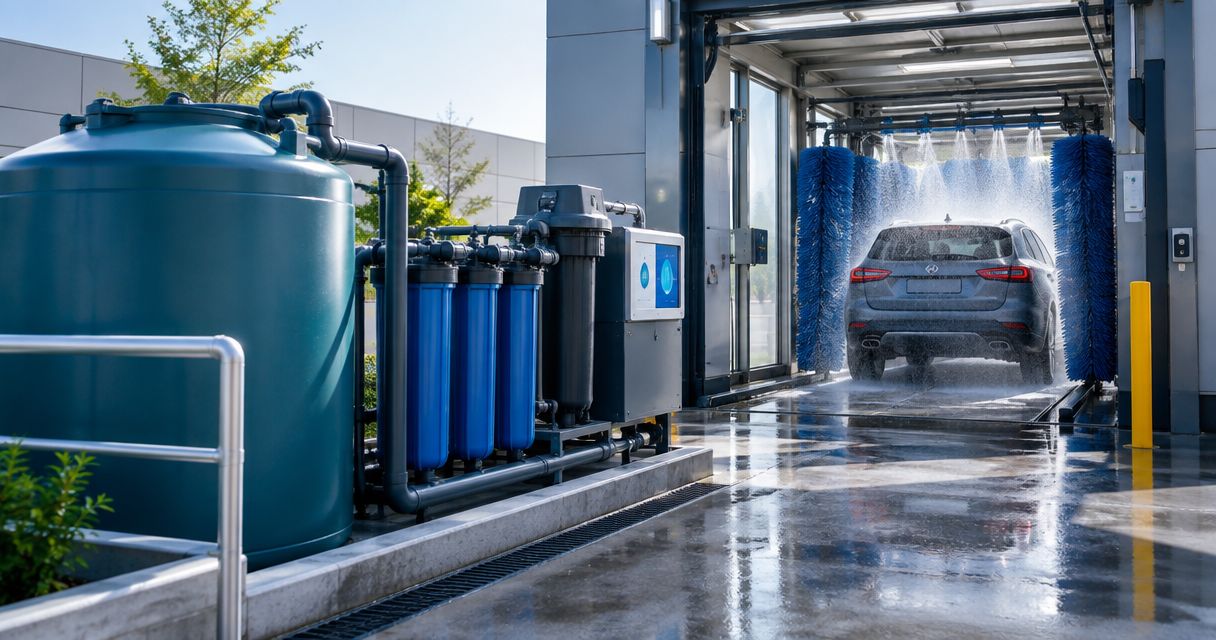
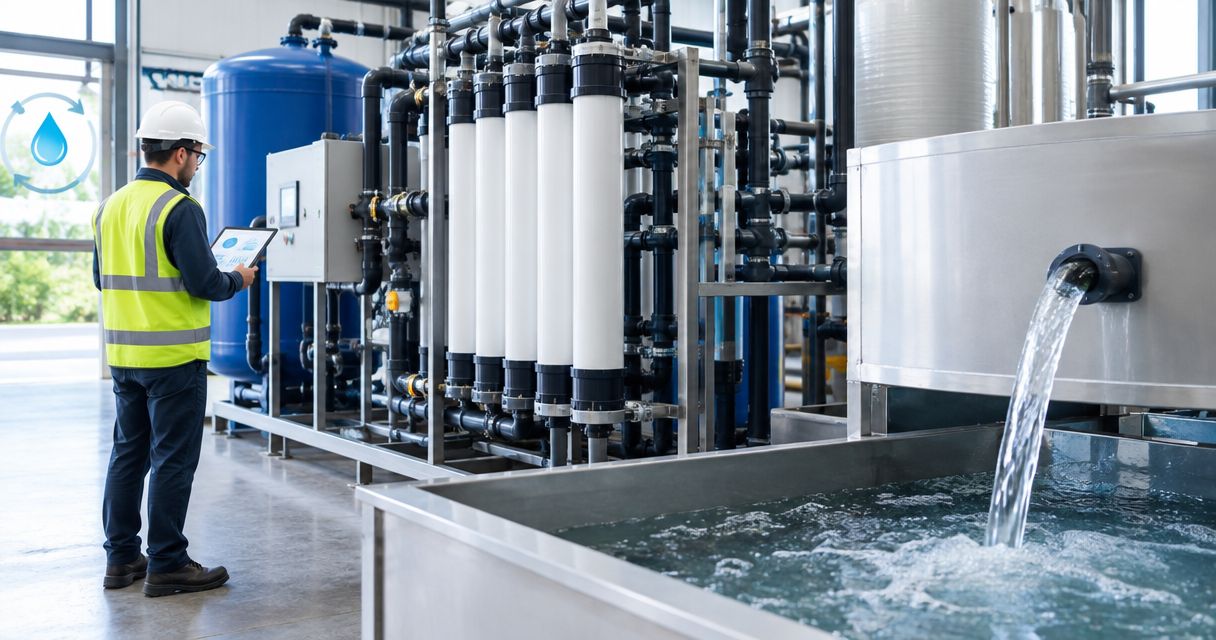
A custom-built pressure washer system tied into a permanent wash bay solves the piece none of the portable options do: where the dirty water goes. Evans Equipment designs and installs pressure washer systems alongside wash water treatment equipment, so contractors running a fixed yard or equipment lot get washing and water handling from a single point of contact instead of stitching together separate vendors.
Custom-built pressure washer pros:
- Integrates directly with wash water treatment and recycling systems
- Sized to the exact PSI, GPM, and hot/cold requirements of the fleet
- One vendor for design, build, and ongoing service
Custom-built pressure washer cons:
- Requires site planning and installation lead time
- Not practical for a single truck or a site without a fixed yard
Best for: operators with a permanent yard, terminal, or equipment lot washing multiple units daily. Details on full system design live on the wash bay systems page.
Verdict: Buy if you're washing equipment at the same location every day — this is the only category that also solves compliance and runoff.
Plan a custom pressure washer system
Design, build, and service in one point of contact.
5. Electric pressure washer: best for enclosed or noise-restricted sites
Electric units skip the exhaust and the noise of a gas engine, which matters on sites with indoor work, residential proximity restrictions, or enclosed structures where fumes can't build up.
Electric pressure washer pros:
- No exhaust fumes, safe for enclosed or indoor use
- Quieter operation for noise-restricted job sites
- Fewer engine components to maintain
Electric pressure washer cons:
- Tethered to a power source, limiting reach
- Generally lower duty cycle than gas or diesel units under heavy daily use
Best for: enclosed work areas, indoor equipment bays, or sites with strict noise ordinances.
Verdict: Hold unless noise or enclosed-space restrictions specifically apply to your site.
How we ranked these pressure washer categories
Each category is scored against the same six criteria: PSI/GPM output, heat capability, mobility, fuel source, wash water handling, and duty cycle under daily fleet use. No category wins on all six — that's the point of ranking by job, not by spec sheet.
Which pressure washer should you choose in 2026?
If your fleet tracks grease, tar, or diesel daily, the hot water pressure washer is the default buy. If you're moving between remote sites, the trailer-mounted system solves the mobility problem the others can't. Contractors running a fixed yard get the most long-term value from a custom-built system tied into wash water treatment — it's the only category that handles the water, not just the equipment.
FAQ
What's the best pressure washer for construction contractors in 2026?
For fleets washing heavy equipment daily, a hot water pressure washer running 3,000-4,000 PSI is the strongest overall pick because it cuts grease and diesel film that cold water can't touch.
Is a hot water pressure washer better than cold water for construction equipment?
Yes for grease and diesel residue — hot water at 180-250°F breaks down heavy soil far faster than cold water, though cold water units cost less to run for light dirt and mud.
How much PSI does a construction pressure washer need?
Most industrial-grade cold water units run 3,000-4,000 PSI, which handles mud, dust, and general grime without damaging equipment surfaces.
Can a trailer-mounted pressure washer work on remote job sites?
Yes, trailer-mounted systems carry their own water tank and pump so they don't need a fixed water hookup, making them the right fit for pipeline, utility, and scattered rural sites.
Do electric pressure washers work for outdoor construction sites?
They work but are tethered to a power source, so they fit best in enclosed bays or noise-restricted sites rather than large open yards.
What's the difference between a portable and a custom-built pressure washer system?
A portable unit moves between job sites but has no water containment; a custom-built system ties into a wash bay and treatment equipment so runoff is handled on-site instead of running into a storm drain.
Do construction contractors need a wash water treatment system with their pressure washer?
Any fixed wash location generates runoff that needs to be handled, and pairing the pressure washer with a treatment system keeps that water from becoming a site liability.
How often should a construction pressure washer be serviced?
Daily fleet use puts more wear on pumps, hoses, and burners than occasional use, so units running every day need service checks on a tighter interval than the manufacturer's minimum schedule.
One last thing
The category most contractors skip until it's a problem is wash water handling — a $30,000 pressure washer parked next to a storm drain with no containment isn't a wash system, it's a liability sitting on four wheels.